
Easy and Fun Coloring Pages for Kids at Home
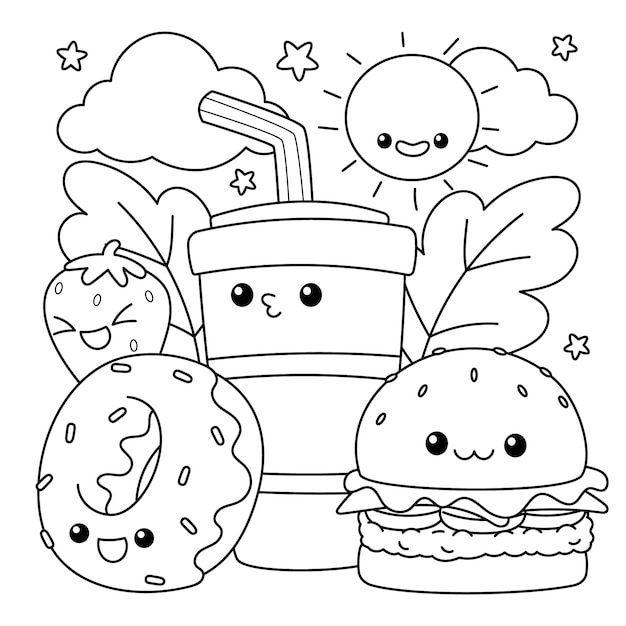
Coloring pages have always been one of the simplest yet most powerful creative activities for children. In a world full of digital distractions, easy and fun coloring pages for kids at home provide a healthy balance of entertainment, learning, and creativity. They require minimal preparation, cost very little, and can keep children engaged for hours while helping them develop important cognitive and motor skills.
Whether it is a rainy afternoon, a school break, or simply quiet time at home, coloring pages offer an ideal indoor activity. Parents and teachers often rely on them because they are flexible, accessible, and suitable for children of different age groups. From toddlers just learning to hold a crayon to older kids experimenting with colors and shading, coloring pages grow with the child.
Why Coloring Pages Are Important for Kids
Coloring is more than just a fun pastime. It plays a key role in early childhood development. When children color, they practice hand-eye coordination, improve concentration, and strengthen fine motor skills. Holding crayons, choosing colors, and staying within the lines all help develop muscle control in their hands and fingers, which is important for writing later on.
In addition, coloring encourages creativity and imagination. A simple outline of a house, animal, or cartoon character becomes a unique piece of art depending on how the child chooses to color it. There is no right or wrong way to complete a coloring page, which gives children the freedom to express themselves without pressure.
Coloring also supports emotional development. It can be a calming activity that helps reduce stress and anxiety in children. Many educators use coloring as a tool to help kids relax and focus, especially after highly active or stressful situations.
Easy Coloring Pages for Beginners
For younger children or beginners, easy coloring pages are the best starting point. These usually feature simple shapes, bold outlines, and familiar objects. Common examples include fruits, balloons, smiley faces, animals like cats and dogs, and basic objects like cars or houses.
These simple designs help children build confidence. They are not overwhelmed by complex patterns or tiny details. Instead, they can focus on learning how to control their coloring tools and explore different colors.
Parents can also use these pages as teaching tools. For example, while a child colors a picture of an apple, a parent can teach them about colors, shapes, and even healthy eating habits. This turns a simple activity into a meaningful learning experience.
Fun Themes That Kids Love
To keep children interested, coloring pages often come in fun and exciting themes. Some popular themes include animals, superheroes, fairy tales, and nature scenes. These themes spark imagination and make coloring more engaging.
Animal coloring pages are especially popular. Children love coloring lions, elephants, butterflies, and sea creatures. These pages can also be educational, helping kids learn about different animals and their habitats.
Superhero coloring pages are another favorite. Kids enjoy bringing their favorite characters to life with bold and creative color choices. This type of coloring encourages storytelling, as children often imagine adventures while they color.
Fairy tale and fantasy themes, such as castles, princesses, dragons, and magical forests, allow children to enter a world of imagination. These pages help develop storytelling skills and creative thinking.
Seasonal themes like Christmas, Halloween, and summer holidays also add variety. They help children connect coloring activities with real-life events and celebrations.
Benefits of Coloring at Home
Coloring at home has many advantages for both children and parents. One of the biggest benefits is convenience. All you need are printed coloring pages and basic supplies like crayons, colored pencils, or markers. There is no need for expensive toys or complicated setups.
Another major benefit is screen-free entertainment. In today’s digital age, children often spend too much time on phones, tablets, and televisions. Coloring provides a healthy alternative that engages their hands and minds without screens.
Coloring also encourages family bonding. Parents can sit with their children and color together, creating a shared activity that strengthens relationships. It opens opportunities for conversation, laughter, and quality time.
Additionally, coloring at home allows children to work at their own pace. They can take breaks, experiment with colors, and revisit unfinished pages without pressure. This flexibility makes it a stress-free activity for both kids and parents.
How to Make Coloring More Engaging
To make coloring pages more exciting, parents can introduce small creative challenges. For example, they can ask children to use only warm colors, or to create a rainbow version of a black-and-white drawing. These challenges make the activity more interactive and help children think creatively.
Another idea is to combine coloring with storytelling. As children color a scene, parents can ask them to create a story about what is happening in the picture. This enhances imagination and language skills.
Displaying finished artwork is also very important. When children see their coloring pages pinned on the fridge or walls, they feel proud of their work. This boosts confidence and encourages them to continue being creative.
Educational Value of Coloring Pages
Coloring pages can also be used as educational tools. Alphabet coloring pages help children learn letters and associate them with words and objects. Number coloring pages support early math skills. Shape-based coloring pages help children recognize geometric forms.
Teachers often use coloring worksheets in classrooms to reinforce lessons. At home, parents can do the same by choosing educational coloring pages that match what their child is learning in school. This creates consistency between learning environments.
Coloring also helps improve focus and patience. Children learn to complete tasks step by step, which builds discipline and attention span over time. These skills are valuable not only in school but also in everyday life.
Choosing the Right Coloring Pages
When selecting coloring pages for kids, it is important to consider age and skill level. Younger children need simple designs with larger spaces, while older kids can handle more detailed illustrations.
It is also helpful to choose themes that match a child’s interests. A child who loves animals will enjoy animal-themed pages more than abstract designs. Similarly, a child interested in space may prefer planets, rockets, and astronauts.
Variety is also key. Offering different types of coloring pages keeps children engaged and prevents boredom. Mixing educational, fun, and seasonal themes ensures a balanced experience.
Conclusion
Easy and fun printable coloring pages for kids at home are more than just a simple activity. They are a powerful tool for learning, creativity, and emotional growth. They help children develop fine motor skills, improve concentration, and express their imagination freely.
With so many themes and styles available, coloring pages can be adapted to suit every child’s interest and ability. Whether used for education, relaxation, or entertainment, they remain one of the most effective and enjoyable activities for children.
In a busy world filled with screens and distractions, coloring pages bring children back to basics—paper, colors, and imagination. And sometimes, that is all a child needs to learn, grow, and have fun at the same time.