
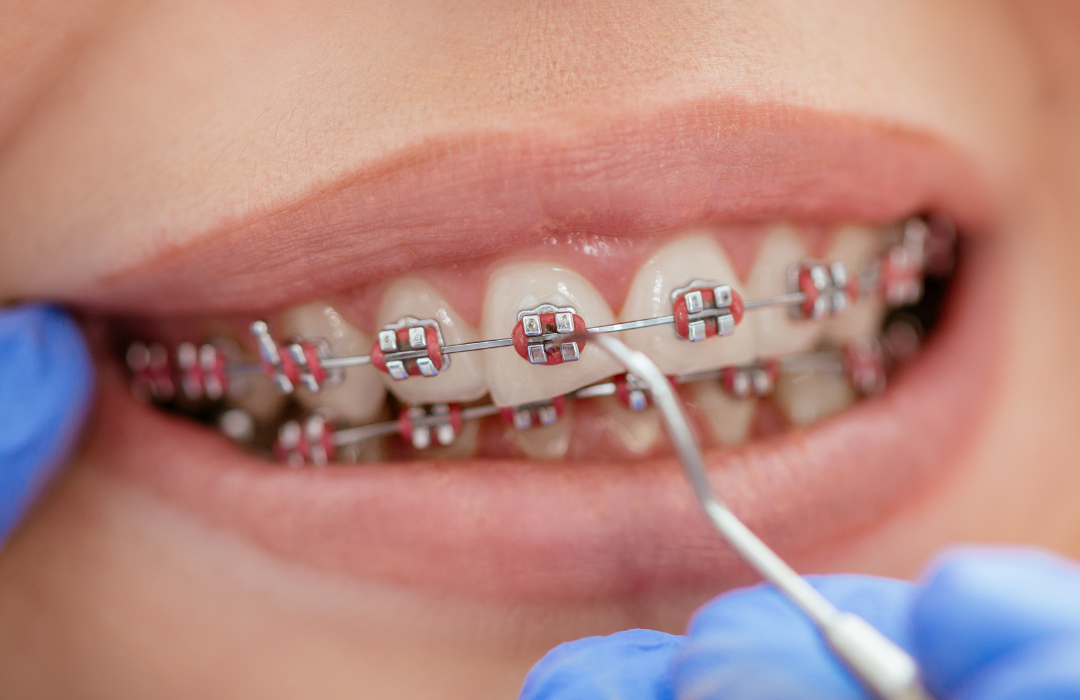
Getting braces can feel like a big step toward achieving a perfect smile—but let’s be honest, it can also come with its share of discomfort. Soreness, irritation, and pressure are common experiences, especially in the first few days after adjustments. Fortunately, with a few orthodontist-approved hacks, you can make your braces journey much more comfortable, even pain-free. These practical tips help you navigate the process while still enjoying your day-to-day life.
Understanding Braces Discomfort
Why Braces Cause Pain
Braces work by app gentle pressure to move teeth into their proper position. This pressure can stretch the ligaments around your teeth, leading to soreness and sensitivity. Adjustments during routine orthodontic visits can also intensify discomfort temporarily.
Normal vs. Concerning Pain
Some discomfort is normal, especially after getting braces or after tightening appointments. However, sharp pain, bleeding, or swelling could indicate a problem that needs attention. Always communicate with your best orthodontist in Fullerton if something feels unusual or severe.
Orthodontist Hacks for Minimizing Pain
1. Use Orthodontic Wax
Orthodontic wax is a lifesaver for preventing irritation. App it to brackets or wires that rub against your cheeks, lips, or gums creates a smooth surface and reduces friction. Reapply as needed, especially after eating or cleaning your teeth.
2. Stick to Soft Foods
Right after getting braces or after an adjustment, your teeth may feel tender. Eating softer foods can help minimize discomfort. Some great options include:
-
Yogurt and smoothies
-
Mashed potatoes
-
Scrambled eggs
-
Soft fruits like bananas or berries
-
Soup and pasta
Avoid hard, crunchy, or sticky foods that can damage brackets or increase pain.
3. Use Cold Compresses
Swelling or soreness in the mouth can be relieved with a cold compress. App an ice pack to the outside of your cheeks for 10–15 minutes can numb the area and reduce inflammation. Cold drinks or ice chips can also help soothe tender teeth.
4. Rinse with Warm Salt Water
A warm salt water rinse can calm sore gums and minor irritation. Mix half a teaspoon of salt in a cup of warm water and swish gently for 30 seconds. This natural remedy helps prevent inflammation and promotes healing.
5. Take Over-the-Counter Pain Relief if Needed
If soreness is significant, over-the-counter pain relievers like acetaminophen or ibuprofen can help. Always follow the recommended dosage and consult your orthodontist if you’re unsure about which medication is safe for you.
Preventing Pain Before It Happens
1. Keep Your Braces Clean
Food stuck in your braces can cause discomfort and even infections. Brush and floss carefully after every meal to avoid irritation and maintain oral hygiene. Special orthodontic toothbrushes or floss threaders can make cleaning easier.
2. Avoid Damaging Habits
Chewing on pens, biting your nails, or eating hard foods can bend wires or break brackets, leading to pain. Being mindful of these habits can prevent unnecessary discomfort and keep your treatment on track.
3. Wear Rubber Bands as Directed
If your orthodontist prescribes rubber bands, wear them exactly as instructed. Skipping or inconsistent use can create uneven pressure on your teeth, causing more soreness and prolonging your treatment.
Lifestyle Tips for a Comfortable Braces Experience
1. Stay Hydrated
Drinking plenty of water helps keep your mouth clean and reduces inflammation. It also washes away food particles that could irritate sensitive areas.
2. Practice Gentle Oral Exercises
Some orthodontists recommend gentle jaw exercises to ease tension caused by braces. Slowly opening and closing your mouth or gently massaging your gums can relieve discomfort and improve flexibility.
3. Maintain a Positive Mindset
Adjusting to braces is as much a mental challenge as a physical one. Remember that soreness is temporary and a sign that your teeth are moving toward a beautiful, healthy smile. Celebrate small milestones along the way to stay motivated.
When to Call Your Orthodontist
Despite all precautions, some pain may require professional attention. Contact your orthodontist if you experience:
-
Severe or prolonged pain that doesn’t improve
-
Broken brackets or wires
-
Sores that don’t heal
-
Signs of infection like swelling, pus, or bleeding
Your orthodontist can make adjustments or recommend specific treatments to relieve discomfort.
Final Thoughts
A pain-free braces experience is possible with the right strategies. Using orthodontic wax, eating soft foods, maintaining excellent oral hygiene, and following your orthodontist’s instructions can make a huge difference. The discomfort is temporary, but the benefits—a healthy, straight, and confident smile—are lifelong.
With these hacks, you can navigate your braces journey with ease, comfort, and confidence, proving that achieving your dream smile doesn’t have to be a painful process.
About the Author


